Is Binolla Legal and Safe
Many traders ask, “Is Binolla safe?” This analysis reviews Binolla’s regulation, jurisdiction, and security measures to help traders make informed decisions about the platform.
What You Need to Know About Binolla’s Regulatory Status
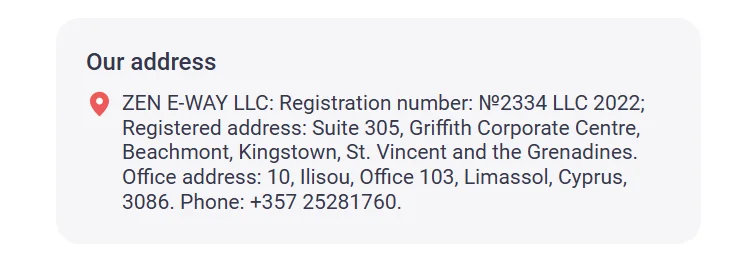
Binolla operates under a specific regulatory framework that differs from major financial marketplaces. The platform is owned by ZEN E-WAY LLC, a company registered in St. Vincent and the Grenadines – a jurisdiction known for its simplified financial licensing requirements. More specifically, Binolla holds a license from the Mwali International Services Authority (license number T2023319), which is valid until July 2025.
This regulatory arrangement places Binolla in the category of “offshore-regulated” brokers. The Mwali authority operates from Comoros, providing regulatory oversight that allows brokers to offer services globally with fewer restrictions than those imposed by tier-1 regulators like the UK’s Financial Conduct Authority (FCA) or the Australian Securities and Investments Commission (ASIC).
It’s critical to understand that is Binolla legal doesn’t have a simple yes/no answer – the platform operates legally within its licensing framework, but this framework provides different protections than traders might expect from platforms registered with major financial authorities. Offshore regulation typically involves less stringent capital requirements, simplified reporting structures, and different investor protection mechanisms.
Jurisdictional Limitations: Where Is Binolla Legal?
Binolla cannot operate in several major financial markets due to local regulatory requirements. The platform explicitly restricts access from residents of these jurisdictions:
- United States
- United Kingdom
- European Economic Area (EEA) countries
- Canada
- Hong Kong
Visitors can consult the user agreement for the full and current list of countries before registering on the platform.
These restrictions exist because these regions have specific regulations regarding online trading or require local licensing that Binolla doesn’t possess.
For traders in eligible countries, access remains legal, though the question “is Binolla legal” still requires consideration of local financial regulations. Some countries may have specific requirements for declaring offshore trading accounts or taxing profits from such activities. Individual traders bear responsibility for compliance with their local tax and financial reporting laws, regardless of the platform’s general accessibility.
Evaluating Reliability Beyond Regulation
Determining Binolla’s legality provides important baseline information, but experienced traders often look beyond formal regulatory status to assess reliability. Several additional factors help build a comprehensive picture:
Withdrawal Performance
Binolla’s stated withdrawal processing time ranges from 1 hour to 48 hours on the platform side, with additional time depending on payment processors. User reviews suggest this timeline generally holds true, though verification requirements for first-time withdrawals can extend this process. The absence of platform-imposed withdrawal fees (though payment processors may charge their own) represents a positive signal.
Transparency Practices
The platform discloses its corporate structure, regulatory status, and risk warnings in its legal documentation.
However, independent verification of company details remains challenging compared to publicly-traded brokerages or those regulated in major financial centers with corporate registries.
Community Feedback
Review aggregator sites show mixed but generally positive ratings for Binolla. Positive comments typically focus on platform stability and withdrawal reliability, while negative reviews often mention verification hurdles or trading outcomes.
The limited presence on major trading forums compared to established brokers creates an information gap that cautious traders should consider.
Making Informed Trading Decisions
For traders considering Binolla, several practical approaches can help navigate the regulatory complexity:
- Start with the demo account to evaluate platform performance without financial risk
- Begin with minimum deposits when transitioning to live trading
- Test the withdrawal process early with a small amount
- Complete verification procedures before significant deposits
- Maintain appropriate expectations about regulatory protections
The platform’s regulatory status shouldn’t be the sole determining factor in platform selection, but rather one element of a broader assessment alongside trading conditions, platform stability, and available instruments.
Can I legally trade on Binolla from my country?
Check if your country appears on Binolla’s restricted list (US, UK, EEA, Canada, Hong Kong). If not listed, the platform is technically accessible, but local financial regulations may impose additional requirements.
Does Binolla’s license guarantee safety?
The Mwali license confirms basic operational legitimacy but provides fewer protections than major financial regulators. The license verification is possible through the Mwali International Services Authority.
Risk Disclosure: Trading financial instruments involves significant risks and may not be suitable for every investor. There is a chance of losing the entire invested capital. Please make sure that trading is allowed under the laws of your country before proceeding.